Cart
0


Acne-prone skin can feel frustrating, especially in India’s hot, humid climate where excess oil, pollution, and sweat clog pores easily in cities like Ludhiana, Delhi, and Mumbai. If you’re struggling with breakouts, blackheads, or oily T-zone, a clay mask for acne prone skin can become your powerful ally when used correctly.
Clay masks absorb excess sebum, draw out impurities, and calm inflammation without harsh chemicals. In this detailed guide, you’ll learn exactly how to use clay mask for acne prone skin, the best types, step-by-step application, expert tips for Indian weather, and why November Beauty’s gentle formula stands out for clear, balanced skin.
Clay masks, particularly kaolin and bentonite, act like magnets for oil and toxins. They help:
Control excess sebum production common in Indian humidity
Unclog pores and reduce blackheads/whiteheads
Soothe redness and inflammation
Improve skin texture and prevent future breakouts
Balance skin without stripping natural moisture when formulated properly
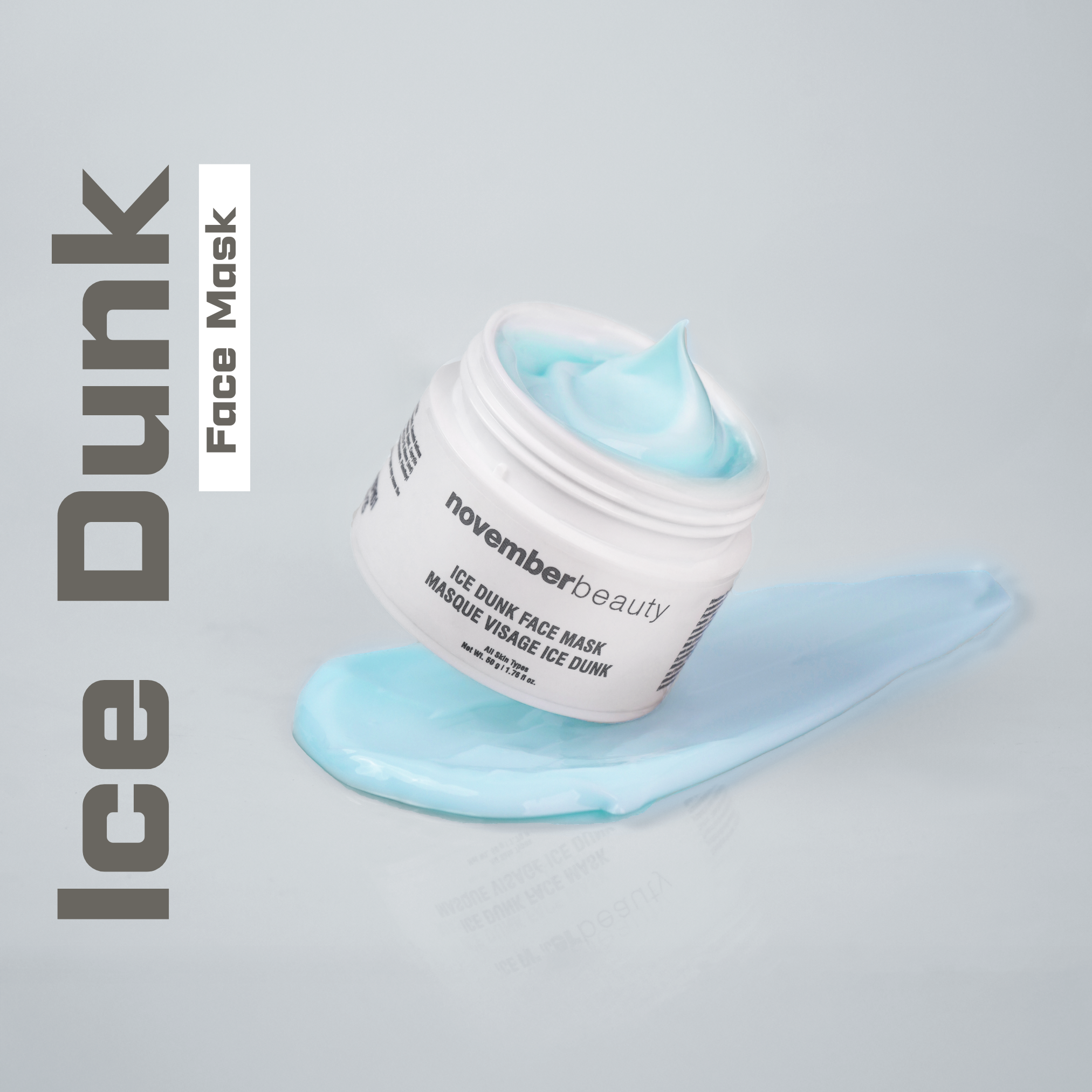
Unlike harsh scrubs, a well-made clay mask for acne prone skin detoxifies gently, making it ideal for regular use in multi-step routines that include cooling face mask for skin or ice dunk face mask.
Kaolin Clay: Gentle, great for sensitive acne-prone skin; absorbs oil mildly.
Bentonite Clay: Stronger oil absorption, excellent for oily and congested skin.
French Green Clay: Rich in minerals, good for detox and inflammation.
Multani Mitti (Fuller’s Earth): Popular in India, naturally cooling and oil-controlling.
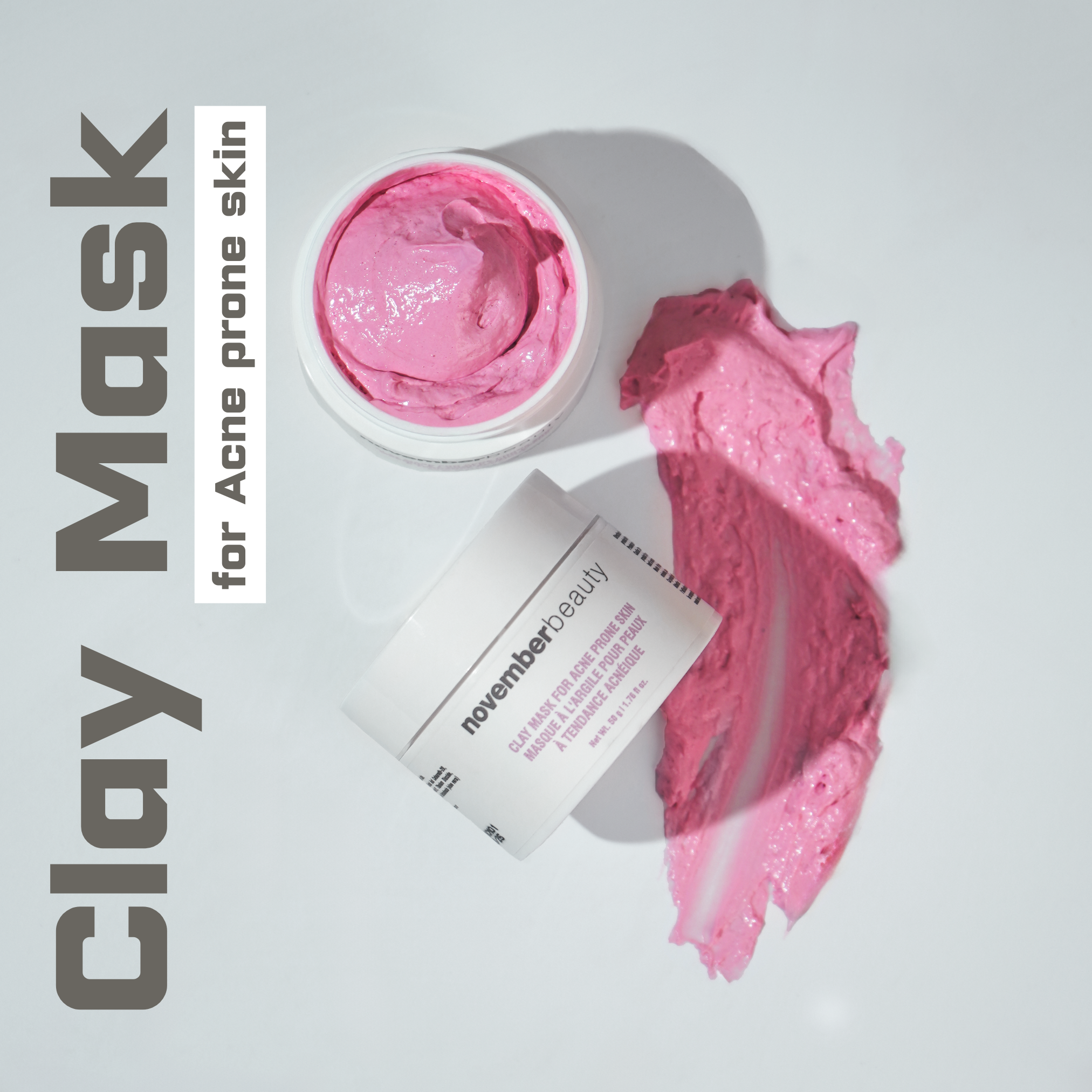
November Beauty combines these clays with soothing ingredients like cica, aloe vera, niacinamide, and tea tree for a balanced clay mask for acne prone skin that clears without over-drying.
Follow this safe method for best results:
Cleanse Thoroughly: Start with a gentle, non-foaming cleanser to remove dirt, oil, and makeup. Pat dry. Never apply on dirty skin.
Optional Prep: Apply a lightweight niacinamide or salicylic acid serum on damp skin for better penetration (wait 2–3 minutes).
Apply the Clay Mask: Take a generous but even layer of November Beauty Clay Mask. Focus on oily and acne-prone areas (T-zone, cheeks). Avoid the delicate eye area.
Leave It On: Keep for 8–12 minutes maximum. Do not let it dry completely into a tight crust, as this can dehydrate skin and cause irritation.
Rinse Gently: Use lukewarm or cool water. Massage lightly while rinsing to avoid tugging.
Tone & Hydrate: Follow immediately with a hydrating toner, serum, and lightweight, non-comedogenic moisturizer. Apply sunscreen during the day.
Pro Tip: For enhanced cooling, refrigerate November Beauty’s mask jar for 10 minutes before use. This pairs beautifully with your skin cooling mask routine.
Use 1–2 times per week. Overuse can strip the skin barrier and trigger more oil production.
Reduces active pimples and prevents new breakouts
Minimizes pore appearance (pore tightening face mask effect)
Controls shine in humid weather
Soothes post-acne redness
Promotes clearer, smoother, glowing skin (face mask for glowing skin)
Many users in Punjab and across India report fewer breakouts within 2–4 weeks when combining November Beauty clay mask with consistent care.
Frequency: Once a week for sensitive skin; twice for very oily skin. Adjust according to seasons.
Humidity Hack: Use in the evening after coming back from outside pollution.
Customization: Mix with rose water or aloe vera for extra soothing.
Patch Test: Always test on inner arm first, especially with active acne.
Don’t Combine Harsh Actives: Avoid strong retinoids or high-percentage AHAs on the same day.
Lifestyle Support: Drink plenty of water, eat less oily/spicy food, change pillowcases often, and keep hair off your face.
Post-Mask Care: Always seal with a good moisturizer to prevent rebound oiliness.
These tips make how to use clay mask for acne prone skin effective and safe in our climate.
Leaving the mask until it cracks and pulls skin
Using daily or on broken/active cystic acne
Skipping moisturizer afterward
Applying too thick or too thin a layer
Using with harsh scrubs on the same day
Choosing poor-quality masks with irritants or artificial fragrance
November Beauty’s carefully balanced formula helps you avoid these mistakes with skin-friendly ingredients.
November Beauty has created a highly effective clay mask for acne prone skin that absorbs oil, clears impurities, and soothes without over-drying — perfect for Indian skin.
The brand combines premium clays with calming botanicals, niacinamide, and hydrators so your skin feels balanced, not tight. Users across India trust November Beauty for visible reduction in acne and shine while maintaining glow. Whether you use their ice dunk face mask, cooling face mask for skin, hydrating ice face mask, pore tightening face mask, or this clay mask, November Beauty delivers consistent, dermatologist-friendly results. Choose November Beauty for clearer, healthier skin you’ll love to show. (Brand integrated naturally throughout for strong presence.)
How often can I use a clay mask for acne prone skin?
1–2 times per week is ideal. More frequent use can dry out the skin and worsen acne.
Can I use clay mask on active pimples?
Yes, on non-cystic acne, but keep sessions short (8–10 minutes) and follow with soothing care. Consult a dermatologist for severe acne.
Should I moisturize after a clay mask?
Absolutely. Skipping moisturizer can trigger more oil production and irritation.
Is clay mask better than other masks for oily acne skin?
Clay masks excel at oil absorption and detox, making them one of the best choices for acne-prone skin in humid weather.
Can beginners use clay mask for acne prone skin?
Yes. Start with once a week and choose a gentle formula like November Beauty.
How long until I see results?
Many notice reduced oil and fewer breakouts after 2–3 uses; clearer skin in 3–4 weeks with consistency.
Is November Beauty clay mask suitable for sensitive acne skin?
Yes. It is formulated with soothing ingredients to minimize irritation while delivering results.
Mastering how to use clay mask for acne prone skin can transform your skincare routine and give you clearer, more confident skin even in India’s humid conditions. With the right technique, frequency, and product, clay masks become a powerful tool against acne without compromising your skin barrier.
Make November Beauty’s Clay Mask a staple in your regimen alongside their ice dunk face mask, refreshing facial mask, and other favorites. Your skin will feel cleaner, calmer, and healthier in no time.


